Sir Arthur Conan Doyle (1859-1930)
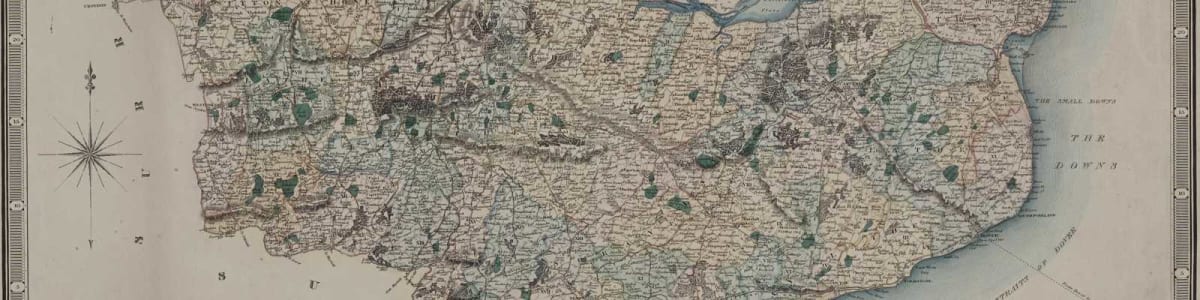
Kent railway stations play crucial roles in several of Sir Arthur Conan Doyle's books. This visual essay further explores Conan Doyle’s connection to the county.
Kent railway stations play crucial roles in several of Sir Arthur Conan Doyle's books. This visual essay further explores Conan Doyle’s connection to the county.
Invicta Park Barracks in Maidstone grew from a Tudor estate into Park House, later acquired by the War Office in 1938, and it anchors a network linking the Lushington family to Alfred, Lord Tennyson and Edward Lear. Family marriages, dedications, gifts, and church memorials at Boxley trace how a Kent residence shaped Victorian literary friendships and reputations.

Henrietta Vaughan Stannard, writing as John Strange Winter, built a bestselling career on military fiction while navigating gendered publishing pressures and a demanding public life. Summers at Birchington-on-Sea link her health worries, entrepreneurial ventures in magazines and endorsements, and the financial strains that reshaped her family’s movements between London, Kent, and the Continent.
Romance novelist F. F. Montrésor emerges from a Walmer upbringing and elite family networks into a writing career shaped by Kent settings and social observation. Dover’s cliffs and beaches, Nonconformist revival preaching, and the Dover–River landscape drive the plot and moral tensions of Into the Highways and Hedges, linking local memory to popular late-Victorian fiction.

Archibald Campbell Tait’s Kent life links clerical authority to coastal retreat, tracing how Broadstairs and North Foreland shaped his recovery from exhaustion and stroke while he rose from headmaster to Archbishop of Canterbury. Family bereavement, parish projects, and dense travel across Thanet and Canterbury reveal the physical and emotional costs of Victorian church leadership and the consolations of sea landscape.
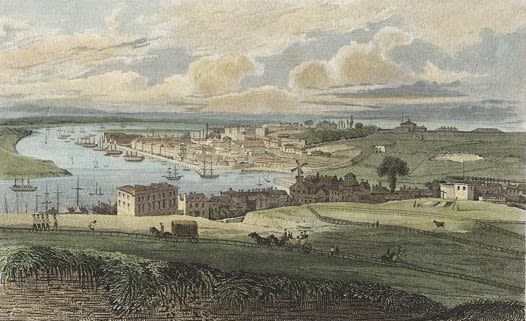
Jewish emancipation in mid-19th-century England advanced through local officeholding in Rochester and Chatham, where municipal reforms and Court Leet elections opened civic roles to non-Christians. Charles Isaacs and John Montagu Marks used borough authority amid dockyard politics and wartime pressures, foreshadowing the national breakthrough of the 1858 Jewish Relief Act.
Irina Fridman introduces the life and family of Educationalist Joseph Pyke a prominent member of the Chatham Jewish Community.
Hosanna Krienke discusses the introduction and development of 19th century convalescent homes which were especially important for industrial worker recovery.
Alfred Austin’s career as Poet Laureate unfolds through sharp contemporary criticism, local political controversy, and the quieter success of his prose on gardening. Swinford Old Manor near Ashford anchors a portrait of his social networks, Tory affiliations, and the legacy of The Garden That I Love alongside his much-mocked royal verse.

William Harvey’s Kent upbringing and European medical education shaped experiments that overturned Galenic physiology and established the circulation of blood. Court patronage, institutional politics at the Royal College of Physicians, and the disruptions of the Civil War framed the reception of his ideas and his later work on reproduction.
Juan Pedro Martín Villarreal traces the Gad's Hill connection between Charles Dickens and novelist and Britain's first salaried female journalist Eliza Lynn Linton.

Gad’s Hill Place near Rochester shaped a lively circle of nineteenth-century visitors who left behind anecdotes, artwork, and competing impressions of Charles Dickens at home. The network of poets, novelists, journalists, actors, and painters reveals how hospitality, work routines, and celebrity culture turned a private house into a node of literary friendship and later pilgrimage.